
Checking Criminal History in Hays County
Hays County criminal history is split by record maker and court level. Begin with Hays Odyssey Public Access, then choose the location that matches the question. Criminal Case Records covers filed county and district matters. Jail Records covers local custody, Jail Bond Records focuses on bond data, and Court Calendar shows settings. A name search is free. A cause number is still the strongest key because it points to one case instead of several people with similar names.
Have the full name, spelling variants, an estimated filing or booking date, and a case or booking number when one is known. A date of birth can help distinguish a person, but public fields vary by module. If the online summary does not answer the question, move to the custodian instead of assuming no record exists.
- Select the matching Odyssey record location.
- Search by cause number or enter the full name and a useful date range.
- Compare the court, filing date, charge, and status before treating a result as a match.
- Ask the District Clerk about a felony, the County Clerk about a Class A or B misdemeanor, or Hays Corrections about a booking.
- Order the underlying document or use a fingerprint self-review when an official statewide record is needed.
For a visual starting point, the Hays County government directory shows the departments that divide this work.

The directory reinforces a key search rule: the clerk, jail, prosecutor, and public-information office answer different record questions.
Five Hays County Record Doors
Odyssey is not one undivided search. Its location selector separates Criminal Case Records; Civil, Family and Probate Case Records; Court Calendar; Jail Records; and Jail Bond Records. For Hays County criminal records, that first choice controls what the result means. A jail hit proves that a booking record exists. A court-calendar hit shows a setting. Neither alone proves a conviction, and a bond entry does not supply the filed charge or final judgment.
| Odyssey route | Best use | Next office |
|---|---|---|
| Criminal Case Records | Filed charge, status, docket, disposition | District or County Clerk |
| Court Calendar | Scheduled settings | Clerk for confirmation |
| Jail Records | Booking and custody status | Hays Corrections |
| Jail Bond Records | Bond type and amount | Jail bond line or court |
| Civil, Family and Probate | Noncriminal cases | Listed civil custodian |
When a page fails or an image is restricted, use the public terminals at the Government Center or request a clerk search. District Clerk staff searches cover ten years, cost $5 per name, and may take five business days.
Texas Official Background Checks
The Texas Department of Public Safety Crime Records Division maintains the statewide criminal-history repository. Its public Criminal History Conviction Name Search releases information that Texas law permits DPS to disclose, chiefly public convictions and deferred adjudications. Search credits cost $1 each and are spent even when a query finds no match. A card purchase adds 2.25% per credit plus $0.25 per transaction; a check purchase remains $1 per credit.
A name result is not a certified statement that no other record exists. DPS warns that name-only matching can miss a record or connect the wrong person. Someone reviewing their own Hays County criminal history should use the fingerprint-based DPS review and challenge channel when identity certainty matters. FAST appointments run through IdentoGO and require the service code supplied by the authorized Texas program.
The DPS Crime Records overview illustrates the state repository and its official services.

That state layer should be checked against the Hays County clerk file when a charge, outcome, or identifier appears wrong.
Hays County Name and Print Checks
The DPS public search and a fingerprint self-review solve different problems. A public name search is fast and can surface public conviction or deferred-adjudication data. It depends on the name and other typed identifiers. A fingerprint review ties the request to the subject’s prints and is the stronger way to audit one’s own Texas record.
| Method | What it does | Main limit |
|---|---|---|
| DPS public name search | Finds public statewide conviction and deferred data | Name matches can be false or incomplete |
| DPS fingerprint review | Links a person to their own repository record | Requires the correct service and fingerprint process |
| Hays Odyssey | Shows local case, calendar, jail, and bond records | Not a statewide rap sheet |
| FBI Identity History Summary | Shows the requester’s federally reported identity history | Does not replace local reports or clerk files |
The DPS fee researched for a fingerprint record check is $15, with a $10 FAST capture fee. Two hard cards at FAST cost $20. Recheck the transaction page before paying because vendor charges can change.
The Texas FAST enrollment portal shows how fingerprint appointments begin.
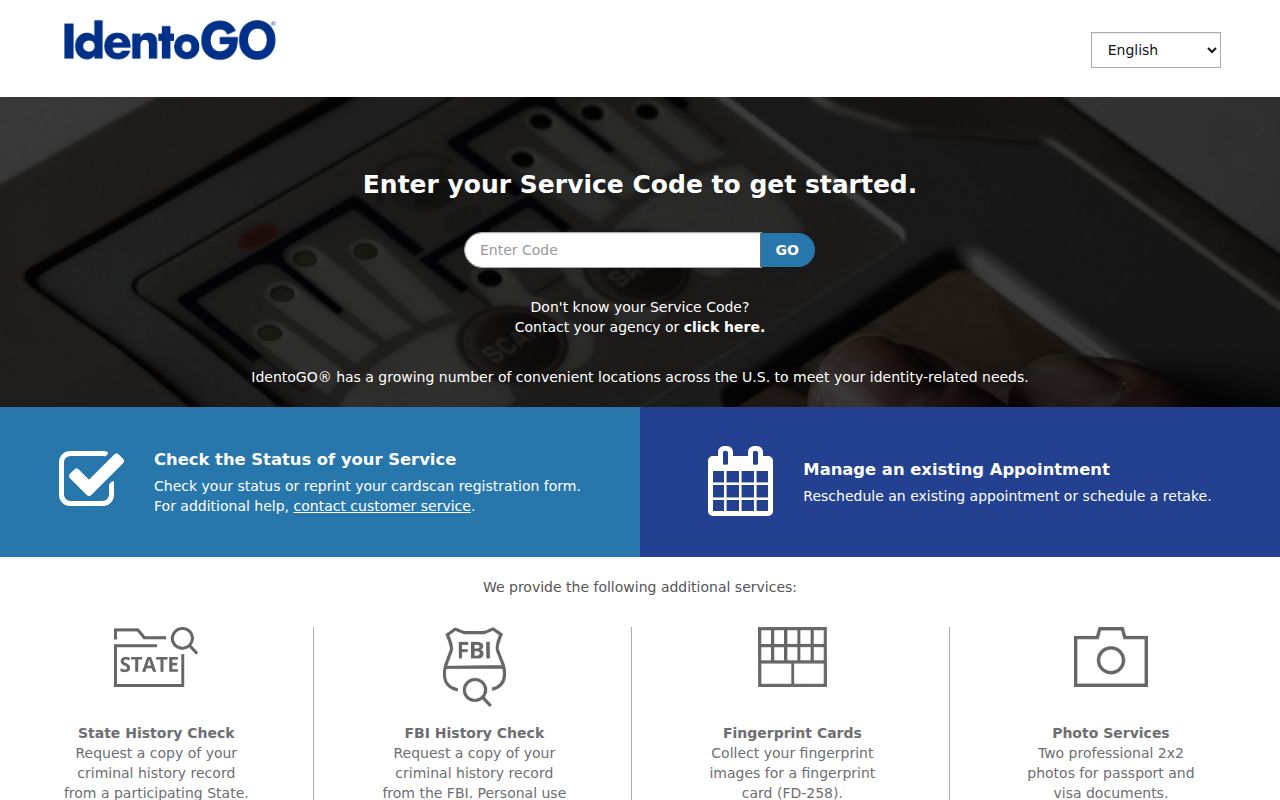
The enrollment screen also shows why a requester should never guess a service code; that code routes the prints to the proper program.
Criminal Record Types
A Hays County criminal record is not one document. The arresting agency writes the incident or arrest report. Hays Corrections creates the booking file. A prosecutor chooses the charge to file, and the proper clerk preserves the court case. DPS then receives fingerprint-linked arrest and disposition reports through Texas CJIS. Each source reflects a different stage and may update on a different schedule.
- Incident and arrest report: the agency narrative, alleged conduct, witnesses, and arrest facts.
- Booking and custody record: intake time, local identifiers, received charges, bond, and release status.
- Court case file: filed charge, docket events, plea, disposition, judgment, and sentence.
- Warrant record: the issuing court, case, type, status, and bond when public.
- Supervision or custody entry: local community supervision, TDCJ prison or parole data, or pretrial status.
Warrants have no single public Hays County list. Check Odyssey, then confirm with the District Clerk, County Clerk, issuing municipal or justice court, and the sheriff or constable. A police incident report also stays with the agency that wrote it, even when a later booking and court case are county records. For supervision, the Hays, Caldwell and Comal Counties CSCD handles adult community supervision, while Judicial Services handles pretrial supervision. TDCJ and the Board of Pardons and Paroles cover state parole. Registry listings form a separate public-safety record. Juvenile files, protected victim data, expunged records, and nondisclosed matters may not appear in public results.
One Hays Arrest, Four Records
A single arrest can produce four overlapping trails: agency report, jail booking, court prosecution, and DPS history. The booking charge reflects intake. Prosecutors may reduce, enhance, reject, or replace it. The filed case can then end in dismissal, acquittal, deferred adjudication, or conviction. DPS receives the later outcome through a reporting chain, so gaps and delays can occur.
Record flow: Arresting agency › Hays Corrections booking › District or County Clerk case › Texas DPS repository.
- Disposition
- The final recorded outcome of a charge or case.
- Deferred adjudication
- Supervision in which adjudication is delayed; completion does not erase the event by itself.
- Cause number
- The local identifier used to follow one court case and order its documents.
- Expunction
- A Texas remedy that can direct eligible records to be destroyed or returned under Chapter 55A.
For a self-audit, compare the fingerprint DPS record with the final Hays County disposition and the arresting agency report. Send the source document through the DPS challenge process when the statewide entry is wrong.
Inside a Hays County Criminal Record
What appears depends on the source. A Texas rap sheet groups identity data and event cycles, while one Hays County case summary centers on a cause number. Public views omit or redact sensitive identifiers, victim details, sealed data, and some juvenile information. Read field labels in context and verify the final judgment before drawing a conclusion.
| Name and identifiers | Names, aliases, birth date, descriptors, SID or FBI number, and fingerprint transaction identifiers when authorized. |
|---|---|
| Arrest and booking | Agency, date, tracking number, intake charge, booking number, bond, and custody status. |
| Charges and statutes | Arrest allegation, prosecutor-filed offense, level, and Texas code citation. |
| Disposition | Dismissal, acquittal, deferred adjudication, conviction, or other recorded result. |
| Sentence | Confinement, community supervision, fine, costs, restitution, and court conditions. |
| Custody or supervision | Hays jail status, TDCJ location, projected release, parole, or court supervision when public. |
Note: A case status or booking charge is not a substitute for the signed disposition or judgment held by the proper clerk.
Hays Record Custodians by Address
The Government Center and jail are separate. Court documents, prosecutor records, pretrial services, and collections are concentrated at 712 South Stagecoach Trail in San Marcos. Jail records stay with Hays Corrections at 1307 Uhland Road. Asking the jail for a court date causes needless delay because the jail says it neither assigns nor tracks those settings.
District Clerk
712 S. Stagecoach Trail, Suite 2211
San Marcos, TX 78666
512-393-7660
Felony district-court files
County Clerk
712 S. Stagecoach Trail, Suite 2008
San Marcos, TX 78666
512-393-7330
Class A and B misdemeanor files
Hays Corrections
1307 Uhland Road
San Marcos, TX 78666
512-393-7832
Jail records and older bookings
The Hays Sheriff record links show the county routes for jail public records, reports, and records requests.
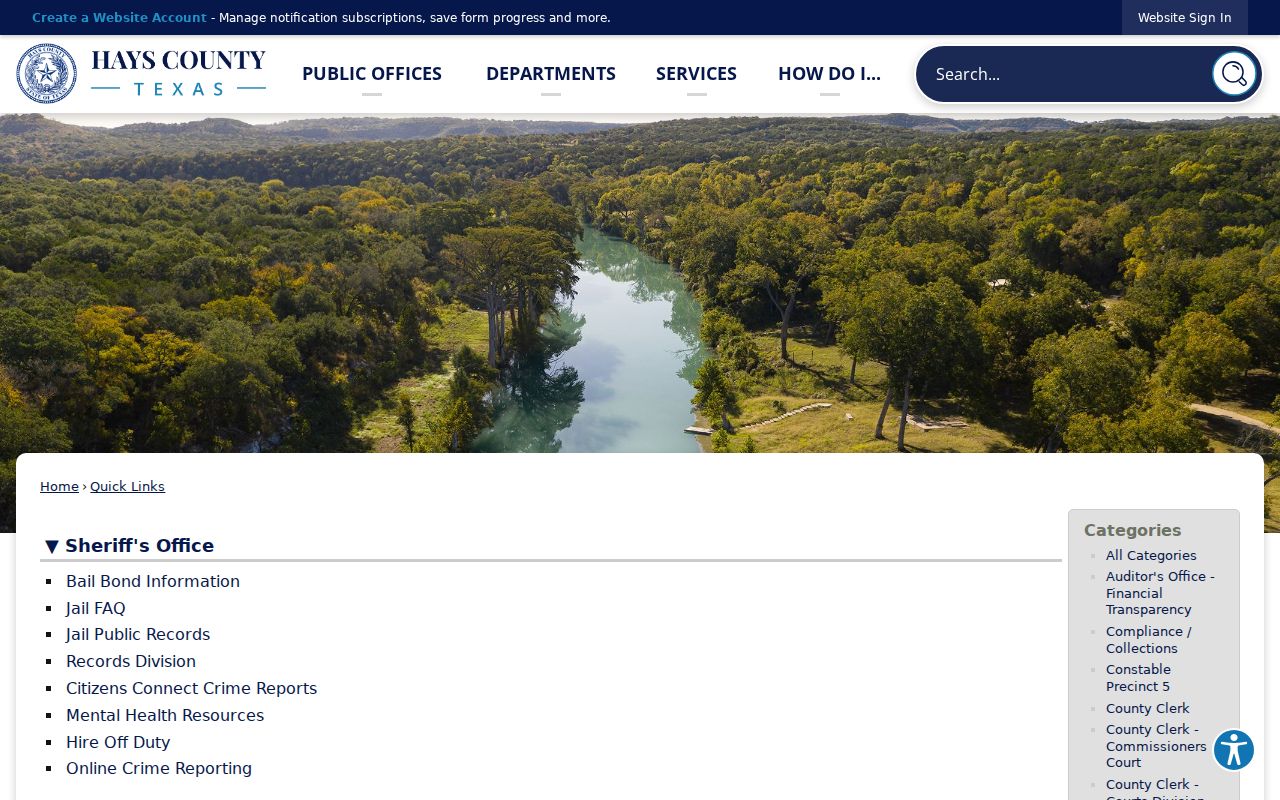
The link hub helps identify whether Hays County or a city police department created the record before a request is filed.
Public Access Laws in Texas
The Texas Public Information Act gives access to existing government information and requires prompt handling, but it does not force an agency to answer questions or create a custom report. Law-enforcement material may be withheld under an active-investigation exception. Juvenile data, protected victims, private identifiers, sealed files, and other confidential records can also be removed from a response.
Key Texas laws:
Government Code Chapter 552 governs public-information access, prompt production, and law-enforcement exceptions.
Government Code Chapter 411 controls criminal-history dissemination and nondisclosure.
Code of Criminal Procedure Chapter 55A sets expunction eligibility and effects.
Code of Criminal Procedure Chapter 62 controls registration, verification, public registry data, and misuse.
Ask the clerk for a case, the arresting agency for its narrative, Hays Corrections for booking data, and DPS for statewide public history. That division follows the record rather than a broad request sent to the wrong office.
GovQA for Hays Criminal Records
When no public database supplies the actual document, the county’s GovQA process is the broad fallback. Requests may also be mailed or hand delivered to the Office of General Counsel at 111 E. San Antonio Street, Suite 202, San Marcos, or faxed to 512-392-6500. Describe an existing record instead of asking an agency to research a question. Name the department, date range, location, people needed to locate the file, and case, incident, or booking number if known.
Texas law calls for prompt production. Ten business days commonly marks the deadline for an agency to seek an Attorney General ruling when it wants to withhold material, not a guaranteed delivery date. Ask for a cost estimate before authorizing large paper, body-camera, audio, or video requests.
The county’s public-information request page shows the formal request entry point.
This channel is especially useful when the desired Hays County record is not a public index entry or needs a copy in a specific format.
Sealed, Expunged, and Restricted Records
Texas expunction and nondisclosure are not the same. Expunction is limited to Chapter 55A categories and can direct eligible records to be destroyed or returned. An order of nondisclosure restricts ordinary public access but leaves records available to agencies named by law. Deferred adjudication does not automatically erase a Hays County criminal case.
Start with the cause number and a certified disposition. A Hays County expunction petition is filed through the District Clerk when the statute places venue there. The researched county fee is $350 plus $25 for each agency served by mail when no email is supplied. Nondisclosure is listed at $330. A qualifying filing within 30 days after acquittal has statutory no-fee treatment.
| Remedy | Effect | Record status |
|---|---|---|
| Expunction | Eligible records are destroyed or returned, with statutory denial rights | Tightly limited access after the order |
| Nondisclosure | Ordinary public disclosure is restricted | Named government and regulatory entities retain access |
List each record holder, including the arresting agency, jail, DPS, prosecutor, and clerk. An incomplete agency list can leave an official copy outside the order.
Hays Court Expunction Assistance
Hays County’s Mental Health Court adds a local record-relief detail that a portal cannot show. In December 2025, commissioners accepted a $10,000 Texas Bar Foundation grant for graduate expunction help and training. The county reported 35 participants, a 93% success figure, and 36 cumulative graduates at that point. A June 2026 commencement was scheduled for 18 graduates, the program’s largest class.
Program completion does not promise expunction. Eligibility still comes from Chapter 55A and the court record. The milestone is useful because it links a named local diversion program with help obtaining dispositions and understanding relief, while preserving the need for an individual legal review.
The Hays Criminal District Attorney page depicts the office that handles felony, misdemeanor, and juvenile prosecutions.
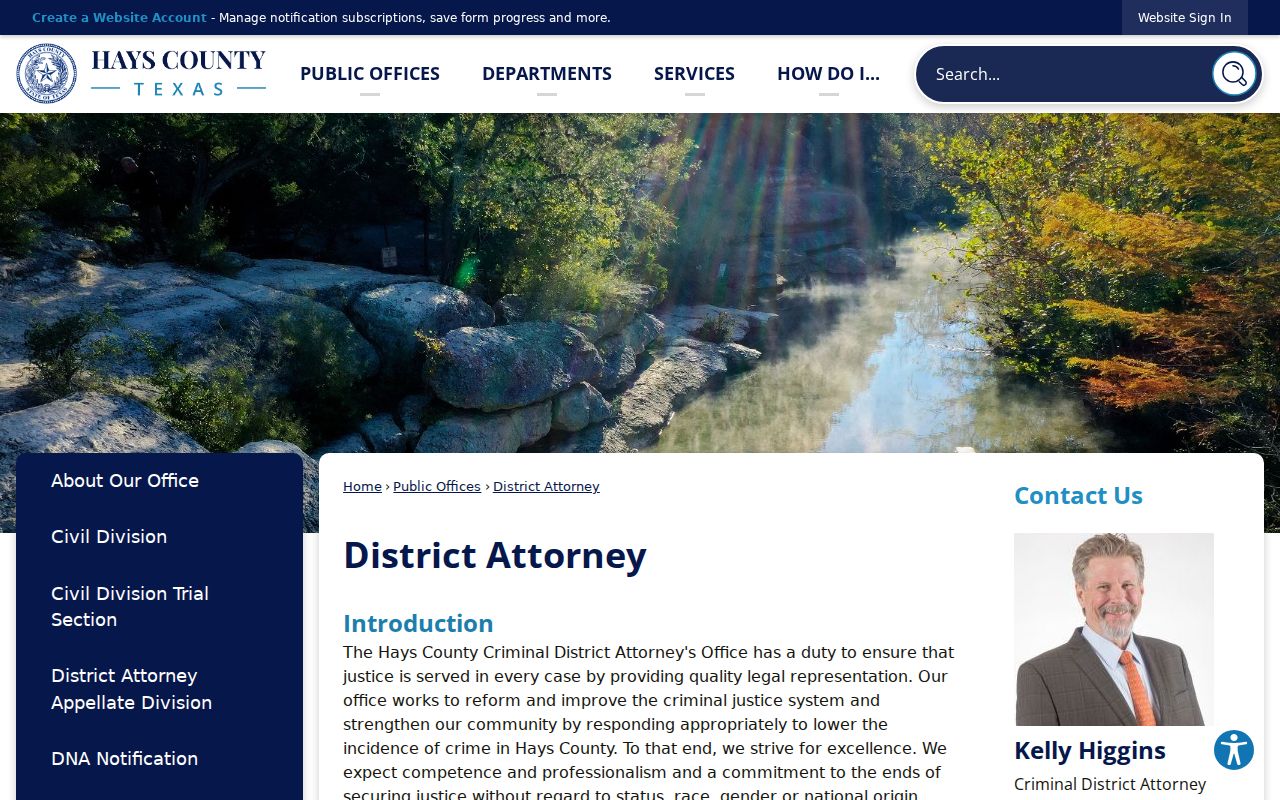
The prosecutor’s file and the clerk’s court file overlap, but the clerk remains the source for a filed disposition or certified judgment.
Hays County Criminal Records by City
City police agencies create their own incident and arrest reports, while their municipal courts keep Class C and ordinance matters. Higher charges and jail bookings move into Hays County systems. The three city records pages follow the official 2024 population rank and explain each local request route without treating Citizen Connect or a payment screen as a conviction search.
San Marcos Criminal Records
Population estimate 74,316 · Police GovQA and municipal court routes
Kyle Criminal Records
Population estimate 65,833 · KPD records and five court search modes
Buda Criminal Records
Population estimate 16,090 · Police portal and Class C court channels
San Marcos is the county seat. Kyle’s rapid growth has added records work, while Buda’s city requests can combine police portal, court, and county follow-up.
Growth Behind Hays Criminal Records
Hays County reached a Census Vintage 2024 estimate of 292,029 residents, 21.1% above its 2020 base. That growth affects police requests, clerk searches, jail processing, and court calendars. It also makes multi-agency tools useful starting points, provided their limits are clear.
Citizen Connect maps basic incident information from San Marcos Police, Hays County Sheriff, Kyle, Buda, and Texas State University Police. Readers can filter by place and date and subscribe to daily, weekly, or monthly geographic updates. An incident point does not prove an arrest or conviction. Confirm it with the agency report, jail record, and filed court case.
The TDCJ Parole Division page provides the state supervision layer once a Hays County sentence reaches parole.
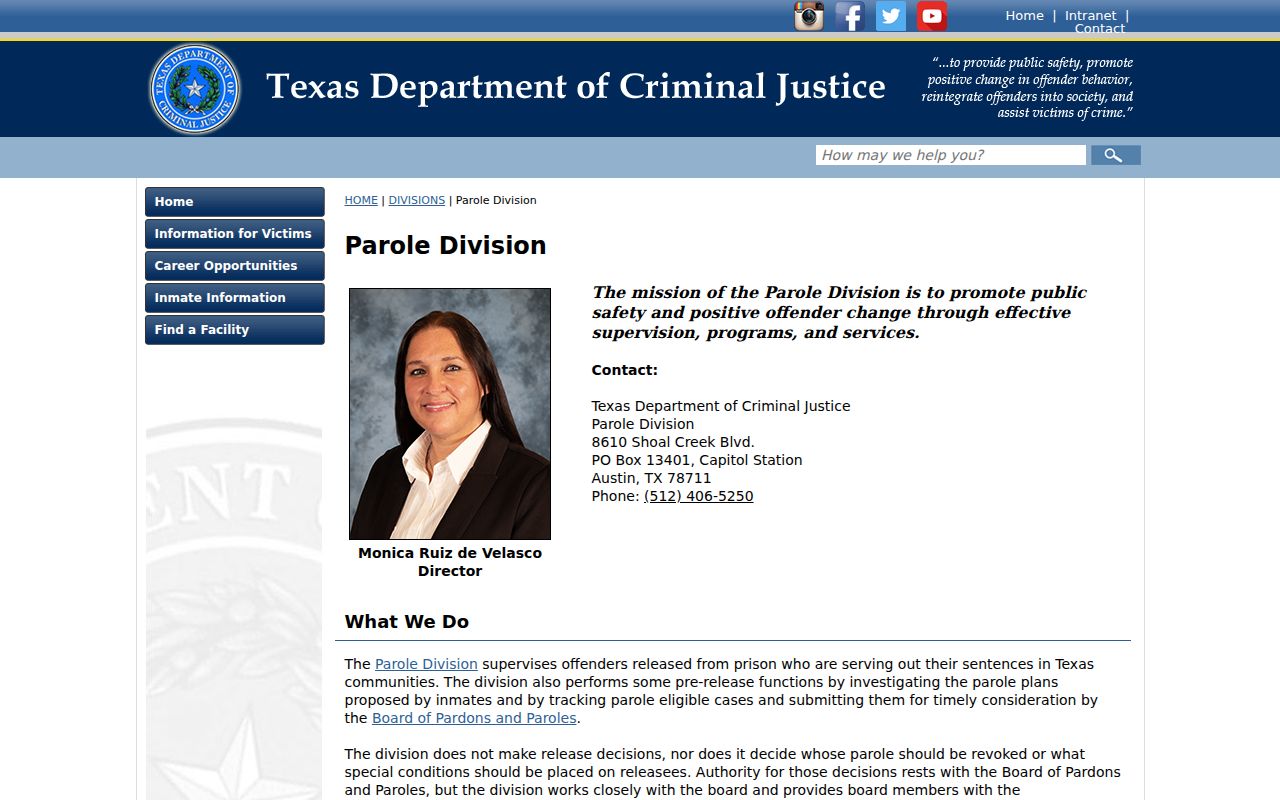
TDCJ data differs from Hays Adult Probation and Judicial Services: parole follows prison release, community supervision follows a court judgment, and pretrial supervision occurs before disposition.